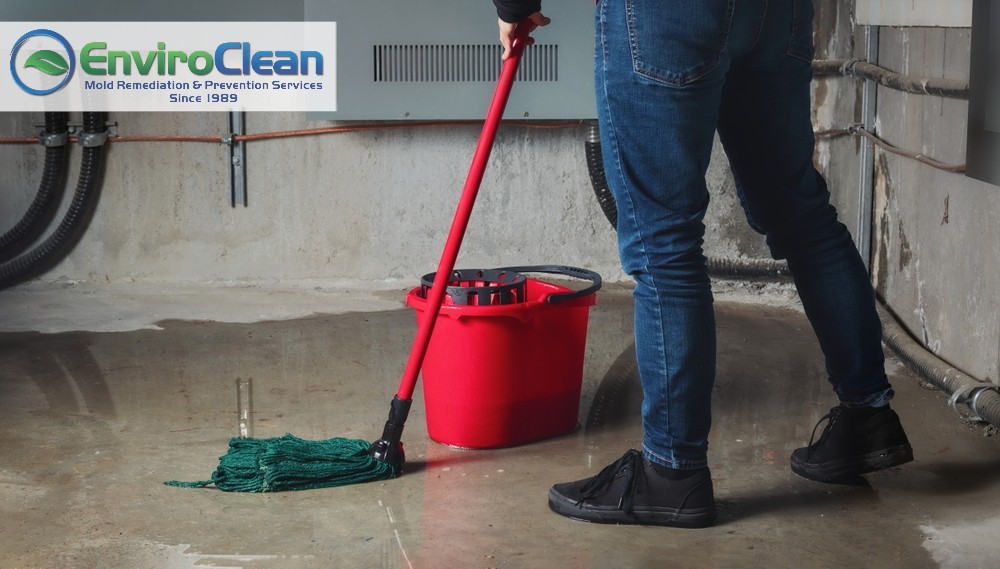
Floodwater doesn’t stay where you can see it. Once it reaches the floor, it works its way into subfloors, wall cavities, and insulation: spaces that stay damp long after the puddles are gone. Mold spores can begin colonizing within 24 to 48 hours of that...
Most homeowners know to worry about black mold, but white mold often gets overlooked. It blends into light-colored walls, ceilings, and wood surfaces, making it easy to miss until it has spread significantly. What many people don’t realize is that white mold can...
Mold doesn’t always make itself obvious. It can grow behind walls, under floors, and inside ventilation systems for months before a homeowner notices anything wrong. By the time it becomes visible, the problem is often much larger than it appears. Knowing the...
Your floors are one of the top three things customers notice about when they walk into your workplace. While Berber carpets look great, failing to maintain them will eventually destroy their appeal and impact your workplace in a range of different ways. Here are some...
Did you know that all 50 states in the U.S. have been affected by flooding of some sort? While natural disasters are one of the leading causes, plumbing problems can also cause flooding. Poor drainage, leaking pipes, clogged gutters are some examples that can lead to...
Mold is an unsightly and unwanted guest. From the ceiling to the carpet, nothing is safe from mold infestations. Not only is mold a visual hindrance, but it also slowly eats away at your furniture, weakening it. Mold lingers around when there’s moisture....